
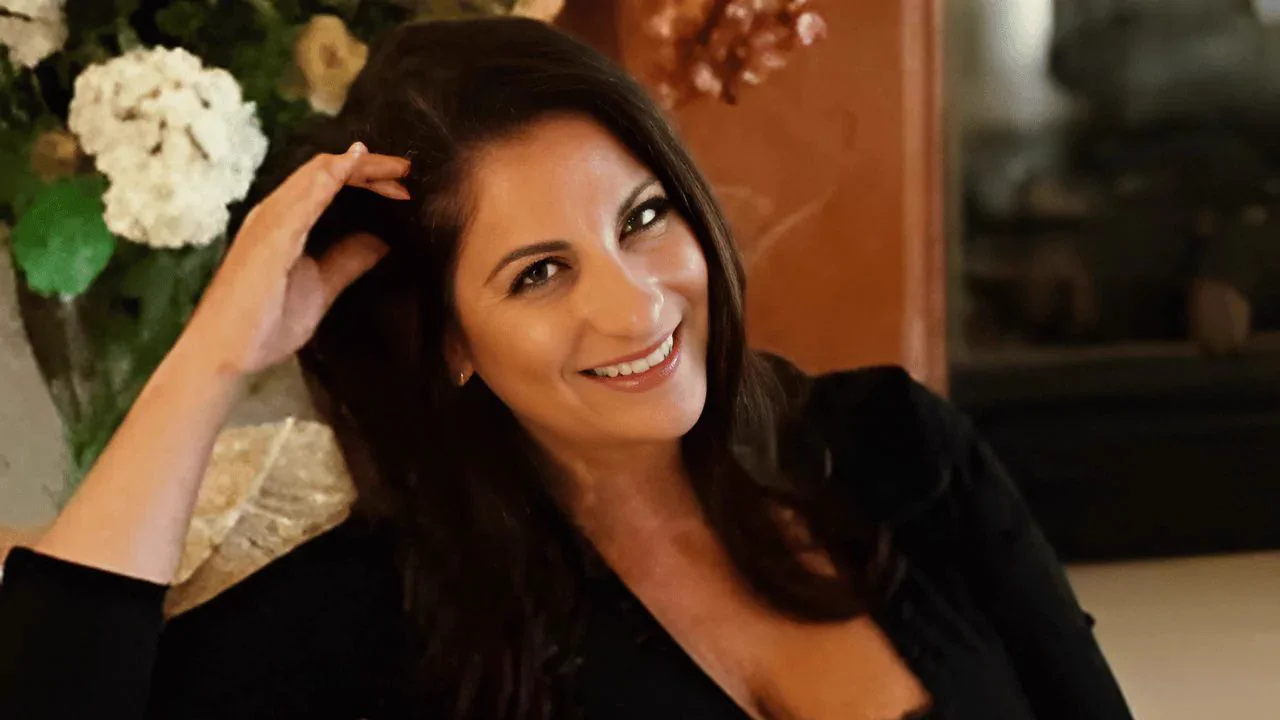
The story of Debra Bollman stenographer has attracted considerable attention because of an unexpected moment during the 2015 NCAA men’s basketball tournament. She became widely recognized after Wisconsin basketball player Nigel Hayes made an unplanned compliment about her while his microphone was still switched on during a press conference. The incident quickly spread across social media, introducing thousands of people to her name and the profession of stenography. However, her professional journey goes far beyond a viral sports moment, as she has developed experience in court reporting, real-time captioning, and sports transcription. Her career demonstrates how specialized skills, professional dedication, and technical knowledge can create opportunities in industries that depend on accurate communication.
Many people search for information about her background, career, professional qualifications, and connection with the famous basketball incident. Her story also provides an interesting introduction to the world of court reporting, where trained professionals convert spoken language into accurate written records. From legal proceedings to live sporting events, stenographers perform responsibilities that often remain unnoticed by the general public. This article explores her biography, career development, achievements, professional credentials, and the importance of stenography in modern communication.
Who Is Debra Bollman Stenographer?
The professional journey of Debra Bollman stenographer also highlights the importance of accurate transcription and real-time reporting in modern communication.Debra Bollman is an American professional stenographer, court reporter, and real-time captioner who became publicly recognizable following an unexpected interaction during the 2015 NCAA basketball tournament. She was working with ASAP Sports, an organization associated with providing transcripts of sports interviews and press conferences. Her professional responsibilities involved capturing spoken conversations and converting them into accurate written records for journalists and other audiences. Although the viral incident introduced her to a much wider audience, she already had experience in the specialized field of court reporting. She is also professionally identified as Debra Bollman Farfan in industry records.
Her professional background reflects the dedication and technical expertise required to succeed in stenography. Court reporters must develop excellent listening abilities, learn specialized shorthand techniques, and maintain accuracy while working at impressive speeds. Their work supports legal proceedings, media organizations, educational activities, and public communication. Her career demonstrates how professional reporting skills can be applied in different environments rather than being limited to traditional courtroom assignments. This makes her story interesting to people researching both her personal background and the wider court reporting profession.
Debra Bollman Stenographer: Biography and Profile
Readers researching Debra Bollman stenographer can learn about her professional qualifications, career development, and contribution to court reporting.Understanding her professional background helps readers distinguish her actual career achievements from the attention generated by social media. Debra Bollman Stenographer work is connected to court reporting, real-time transcription, and captioning services. She has also been associated with professional organizations that support stenographers and promote industry development. These activities demonstrate her involvement in a specialized profession that requires continuous practice and technical improvement. Instead of focusing entirely on her viral popularity, her career provides a more complete understanding of her professional identity.
Debra Bollman Stenographer: How She Became Famous
The Unexpected NCAA Basketball Press Conference
The incident that brought her widespread recognition happened during the 2015 NCAA men’s basketball tournament in Los Angeles. Wisconsin Badgers players were attending media sessions where journalists and stenographers worked together to document interviews and press conferences. During one session, the players became interested in the stenographer’s ability to record complicated words using a specialized machine. They began testing her skills by mentioning unusual expressions and challenging vocabulary. What started as an ordinary interaction between athletes and a professional reporter soon became an unforgettable moment.
During the press conference, Nigel Hayes turned toward a teammate and made a compliment about the stenographer. Unfortunately for him, his microphone was still active, allowing the comment to be heard by people in the room. The unexpected remark attracted attention because Hayes did not initially realize that his words had been recorded. Once the incident became public, the recording quickly circulated across social media platforms and sports websites. This brief interaction transformed an ordinary professional assignment into a widely discussed internet story.
Nigel Hayes and the Viral Comment
Nigel Hayes’s remark, commonly reported as “Gosh, she’s beautiful,” became the central part of the incident. The basketball player appeared embarrassed when he realized that his microphone had captured the comment. His spontaneous reaction made the situation entertaining for people following the tournament. Sports publications and online communities began sharing the recording, attracting attention from audiences beyond college basketball. As a result, many people started searching for the identity and professional background of the stenographer.
The incident also demonstrated how quickly an ordinary moment can become popular in the digital media environment. Although Hayes was the person who made the comment, the stenographer became an important part of the conversation. People became curious about her occupation, the machine she was using, and the skills needed to perform her work. This unexpected attention introduced a wider audience to an industry that normally operates behind the scenes. It also highlighted the human side of professional sporting events.
Debra Bollman’s Professional Career in Stenography
How She Entered the Court Reporting Profession
Debra Bollman Stenographer professional journey is closely connected to court reporting, a specialized occupation that requires education, technical knowledge, and extensive practical training. In a 2017 interview with Humphreys University, she discussed how learning about the court reporters involved in the O.J. Simpson trial influenced her interest in the profession. She researched educational opportunities and contacted a local court reporting school. This decision introduced her to the technical and practical aspects of stenographic reporting. Through training and consistent practice, she developed the foundation for her professional career.
The experience of Debra Bollman stenographer demonstrates how specialized stenographic skills can create opportunities in sports media and legal reporting.Court reporting offered opportunities to work in different professional environments where accurate written communication is essential. As her experience developed, her responsibilities expanded beyond traditional legal reporting. She became involved in real-time reporting, sports transcription, and captioning. These areas require professionals to understand different speaking styles, recognize unfamiliar vocabulary, and maintain accuracy under pressure. Her journey demonstrates how specialized stenographic skills can create opportunities across multiple industries.
Experience in Real-Time Reporting
Real-time reporting is one of the most demanding areas of stenography because it requires spoken language to be converted into readable text almost immediately. A professional reporter listens to speakers while operating a specialized stenotype machine. Computer software then translates the shorthand combinations into readable words and sentences. This process requires concentration, excellent listening skills, and familiarity with language patterns. Even a brief loss of attention can affect the quality of the resulting transcript.
Real-time reporting is valuable in courtrooms, conferences, interviews, and public events. It allows participants to access written information without waiting for a completed transcript. This service is particularly important for individuals who are deaf or hard of hearing because live captions make conversations more accessible. Professionals working in this field must also recognize different speakers and understand technical terminology. Their expertise helps preserve important conversations while improving communication for different audiences.
Sports Transcription and Media Assignments
Sports transcription is another important area connected to her professional experience. Through her association with ASAP Sports, she worked on press conferences involving athletes, coaches, and journalists. These assignments required her to capture statements accurately while speakers discussed games, competitions, strategies, and other sports-related subjects. Since athletes sometimes speak quickly and use informal expressions, the work requires excellent listening and transcription abilities. Accurate transcripts help journalists prepare articles and confirm quotations.
Working in sports media also requires flexibility because press conferences do not always follow predictable conversation patterns. Speakers may interrupt one another, change subjects, or use unfamiliar names and expressions. A professional stenographer must remain focused while capturing the discussion without disrupting the event. This environment demonstrates the practical value of advanced transcription skills. It also explains why experienced stenographers are important members of sports media operations.
Professional Qualifications and Certifications
Professional qualifications play an important role in court reporting because they demonstrate specialized knowledge and technical ability. Debra Bollman Farfan has been associated with several credentials from the National Court Reporters Association. These include RDR, CRR, and CRC, which relate to different areas of advanced reporting and captioning expertise. Each designation represents professional skills that require preparation, practice, and an understanding of industry standards. These qualifications help explain the technical foundation behind her career.
Understanding Her Professional Credentials
- RDR (Registered Diplomate Reporter): An advanced professional certification recognizing extensive knowledge and expertise in court reporting.
- CRR (Certified Realtime Reporter): A credential associated with the ability to produce accurate real-time transcripts.
- CRC (Certified Realtime Captioner): A professional certification focused on providing captions for live communication and broadcasting.
These credentials demonstrate that professional stenography involves much more than ordinary typing. Reporters must develop specialized shorthand techniques and understand how transcription technology works. They also need to maintain accuracy when working under demanding conditions. Professional certifications encourage continuous development and help establish recognized industry standards. This makes them valuable for both experienced reporters and individuals interested in entering the profession.
What Does a Professional Stenographer Do?
A stenographer is a trained professional who converts spoken language into written text using specialized shorthand methods. Instead of typing each letter individually, the reporter presses combinations of keys on a stenotype machine. These combinations represent sounds, syllables, or complete words that specialized software translates into readable language. Experienced stenographers can capture conversations at impressive speeds while maintaining accuracy. Their work helps preserve spoken information for legal, professional, educational, and media purposes.
Main Responsibilities of a Stenographer
Professional stenographers perform several important responsibilities depending on their workplace and specialization.
1. Recording Legal Proceedings: Court reporters create written records of hearings, trials, depositions, and other legal activities. These transcripts can become important documents for lawyers, judges, and other legal professionals.
2. Providing Live Captions: Real-time captioners convert spoken words into text during broadcasts, conferences, and public events. This service helps make communication accessible to people with hearing difficulties.
3. Transcribing Interviews: Stenographers working with media organizations record interviews and press conferences. Their transcripts help journalists prepare accurate reports and verify statements.
4. Maintaining Accuracy: Professionals review their work, correct transcription errors, and ensure that important statements are properly recorded. Accuracy is particularly important when transcripts are used for official purposes.
5. Operating Specialized Equipment: Modern stenographers use stenotype machines, computer software, and customized dictionaries to perform their responsibilities efficiently.
Skills That Make a Successful Stenographer
Speed and Accuracy
Speed is one of the most recognizable abilities associated with stenography, but accuracy is equally important. A reporter must capture spoken words without changing their original meaning. In legal environments, even a small transcription error can create confusion or affect the interpretation of an important statement. Professionals therefore spend considerable time improving their shorthand skills and practicing difficult vocabulary. The combination of speed and precision makes experienced stenographers valuable.
Concentration and Listening Skills
Stenography requires continuous concentration because conversations can change direction without warning. Speakers may talk quickly, interrupt one another, or use unfamiliar terminology. A professional must listen carefully while operating the machine and monitoring the resulting text. Strong listening abilities help identify different speakers and understand the context of conversations. These qualities are essential for producing reliable transcripts.
Technical Knowledge and Adaptability
Modern reporting depends on specialized machines, software, and digital transcription systems. Stenographers must understand how their equipment operates and know how to handle technical difficulties. They also need to update their dictionaries and become familiar with new terminology. As communication technology continues to develop, adaptability becomes increasingly important. These technical abilities help professionals maintain productivity and accuracy.
Debra Bollman Stenographer: Achievements and Recognition
Debra Bollman Stenographer professional recognition extends beyond the viral NCAA incident. She has been associated with activities involving professional reporting organizations, including the National Court Reporters Association and the California Court Reporters Association. These organizations support professional education, certification, industry development, and networking opportunities. Her involvement reflects a connection with the wider court reporting community. It also highlights the importance of professional participation in maintaining industry standards.
One of her notable achievements came through the National Court Reporters Association’s 2021 Realtime Contest. Published competition results listed Debra Bollman Farfan in second place overall, with an accuracy score of 97.23 percent. This result is meaningful because realtime competitions test a reporter’s ability to produce accurate text under challenging conditions. Participants must combine speed, concentration, and technical expertise throughout the competition. Her performance provides a measurable example of her professional abilities.
What Happened After Her Viral Fame?
After the 2015 press conference incident, public interest in her increased significantly. Sports fans and online audiences wanted to know more about the woman who had unexpectedly become part of a popular basketball story. The recording continued to circulate across social media and entertainment websites. However, the increased attention did not replace her professional identity. Her career remained connected to court reporting, real-time transcription, and captioning.
Later professional records also provide information about her continued involvement in the reporting industry. A January 2025 Journal of Court Reporting feature described her as a freelance court reporter and captioner from Los Angeles. The National Court Reporters Association’s professional directory also lists Debra Bollman as a freelancer and court reporter with professional credentials. These records offer a more reliable picture of her professional activities than online speculation about her private life. They demonstrate that her career continued well beyond the original viral incident.
Why Debra Bollman’s Story Matters to the Stenography Industry
Her story has helped introduce stenography to people who might otherwise never have explored the profession. Many viewers discovered the capabilities of stenotype machines after watching the interaction involving Nigel Hayes. They became interested in how a professional could record complicated words and conversations so quickly. This curiosity created an opportunity to explain the importance of court reporting and real-time captioning. It also brought attention to an occupation that frequently operates behind the scenes.
The story of Debra Bollman stenographer continues to attract attention because it combines professional achievements with an unforgettable moment in sports history.Her career demonstrates that professional success requires dedication, technical knowledge, and continuous improvement. Stenographers must spend years developing their skills and learning how to handle different reporting situations. They also contribute to accessibility by making spoken information available in written form. Their work supports legal systems, journalism, education, and public communication. These contributions make stenography an important profession in modern society.
Is Stenography Still a Valuable Career?
Stenography continues to play an important role in modern communication despite developments in voice recognition and automated transcription. Legal proceedings often require reliable, accurate, and properly documented records. Professional stenographers provide specialized services that combine human listening skills with advanced technology. Real-time captioning also supports people who need immediate access to spoken information. These responsibilities create professional opportunities in legal services, broadcasting, education, and corporate environments.
The profession also offers different career paths for people with suitable training and technical abilities. Some professionals work in courtrooms, while others provide freelance deposition services or caption live events. Training programs and professional certifications help individuals develop the skills needed for these positions. However, success requires patience, consistent practice, and a strong commitment to accuracy. The profession remains relevant because reliable communication and accessible information are important in every industry.
(FAQs)
1. Who is Debra Bollman?
Debra Bollman is an American professional stenographer, court reporter, and real-time captioner. She became widely recognized after an unexpected interaction with basketball player Nigel Hayes during the 2015 NCAA tournament.
2. Why did Debra Bollman become famous?
She became famous when Nigel Hayes accidentally made a compliment about her while his microphone was still switched on. The recording quickly circulated online and attracted attention from sports fans and social media users.
3. What is Debra Bollman’s profession?
She works in professional court reporting, stenography, and real-time captioning. Her work involves converting spoken conversations into accurate written records for different professional environments.
4. Is Debra Bollman still working as a stenographer?
Professional records indicate her continued involvement in court reporting. The National Court Reporters Association’s professional directory lists her as a freelancer and court reporter.
5. What happened between Debra Bollman and Nigel Hayes?
During a 2015 NCAA press conference, Nigel Hayes made an unexpected compliment about the stenographer while speaking to a teammate. His active microphone captured the remark, creating a memorable viral moment.
6. What certifications does Debra Bollman have?
She has been associated with RDR, CRR, and CRC professional credentials. These qualifications relate to advanced court reporting, real-time transcription, and captioning skills.
7. Why is Debra Bollman’s career interesting?
Her career combines professional stenography, court reporting, sports transcription, and real-time captioning. Her unexpected internet fame also helped introduce more people to the importance of stenographers.
Conclusion
Debra Bollman Stenographer professional journey is an interesting combination of specialized career experience and unexpected public recognition. Although the 2015 interaction with Nigel Hayes introduced her to a worldwide audience, her achievements in court reporting, real-time transcription, and captioning provide a much deeper story. Her professional credentials and competitive accomplishments demonstrate the dedication required to succeed in stenography. Her experience also highlights the importance of accurate written communication across different industries. Ultimately, her story is not simply about a viral basketball moment but about the skills, experience, and commitment of a professional who has made her mark in the reporting industry.